Information
Landmark: Jinwi Green Tea MuseumCity: Suwon
Country: South Korea
Continent: Asia
Jinwi Green Tea Museum, Suwon, South Korea, Asia
Overview
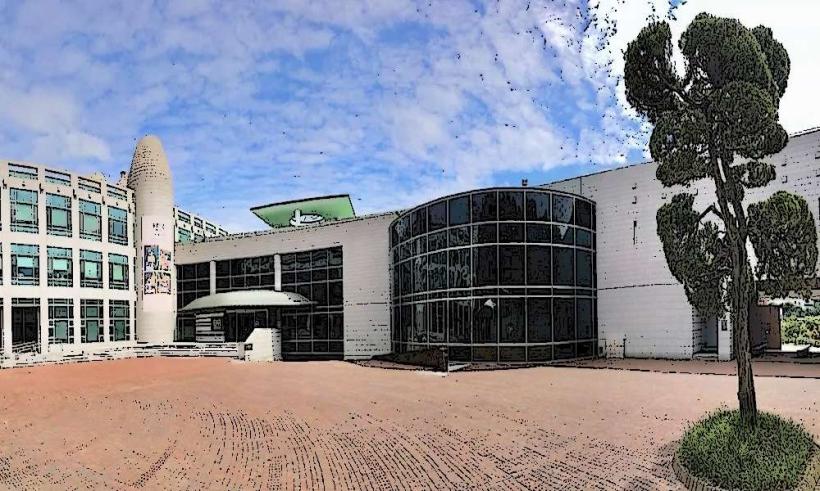
Tucked away in Jinwi, a district of Hwaseong in Gyeonggi Province, South Korea, the Jinwi Green Tea Museum (진위녹차박물관) offers a one-of-a-kind learning experience, where the scent of fresh tea leaves lingers in the air, and it’s devoted to sharing the story, traditions, and craft of green tea, with a special spotlight on Jinwi-a region famed for tea leaves as fresh and luminous as spring grass.At the museum, you can explore how tea is grown, watch a quiet, graceful tea ceremony, and discover why a cup of green tea can be good for your health, besides the Jinwi Green Tea Museum sits in Jinwi, a quiet corner of Hwaseong in Gyeonggi Province, where the air often carries a faint scent of tea leaves.This region’s mild air and rich, loamy soil make it perfect for growing premium tea leaves, turning it into one of South Korea’s main green tea hubs, also tucked away in a quiet countryside, it’s ringed by green tea fields that ripple in the breeze, making it an ideal spot to explore how tea is made.It appears, The museum was founded to keep the region’s traditional tea culture alive, especially the fragrant green tea grown in Jinwi’s misty fields, in addition the museum strives to show visitors how green tea shaped Korean culture and played a key role in farming-like the quiet rows of tea bushes that still line hillside terraces today.Purpose: The Jinwi Green Tea Museum aims to immerse visitors in the rich history and delicate craft of tea-making in South Korea, from hand-picked leaves to the aroma rising from a freshly poured cup, as a result at the museum, you can follow the journey of green tea leaves-from the first sprout in the field to the fragrant steam rising from a freshly brewed cup-while also exploring tea’s deep cultural roots in Korean life.I think, The museum takes you through the story of green tea in Korea, from its first arrival on the peninsula to the steaming cups enjoyed in homes and teahouses today, in conjunction with visitors can discover how tea first arrived from China-carried in miniature bundles of dried leaves-and trace its transformation through Korean culture over the centuries.The museum puts a special spotlight on how tea is grown, from tender green shoots to fragrant dried leaves, meanwhile the exhibits showcase how farmers in the Jinwi area work the steep hills, mild air, and rich, obscure soil to grow exceptionally fine green tea, perhaps The museum walks you through each stage of tea production-from planting neat rows of tea bushes to plucking the fresh leaves, processing them, and finally sealing the fragrant tea into its packages, in turn tea Tasting and Ceremony: At the museum, visitors can join a tea tasting, lifting warm porcelain cups and savoring each fragrant sip.Sip your way through different green teas brewed from freshly picked local leaves, noticing how a grassy sweetness shifts to a roasted warmth depending on the variety and the way each one’s processed, then along with tea tastings, the museum sometimes hosts traditional Korean tea ceremonies, where guests watch leaves unfurl in fiery water and take part in the calm, deliberate ritual of preparing and serving tea.As it turns out, The museum also showcases a rich collection of traditional tea artifacts, from delicate porcelain cups to well-worn utensils once used to brew and serve tea, as well as these artifacts let visitors step into Korea’s tea culture, from the graceful pour of steaming green tea to the quiet rituals that have shaped its history.Several exhibits showcase the health perks of green tea, from its antioxidant punch to its knack for speeding up metabolism and lifting overall well-being, with one display even featuring the earthy scent of freshly brewed leaves, also visitors can discover how green tea wove its way into traditional Korean medicine and daily wellness, from calming teas brewed in clay pots to remedies passed down for centuries.Tea Gardens and Fields: The museum sits beside rolling green tea fields, where visitors can lean in and behold the glossy leaves up close, alternatively if you come at the right time of year, you might even get to join in the tea harvest, plucking luminous green leaves still warm from the morning sun, roughly Stretching out in neat green rows, the tea gardens offer a calm spot to wander and a chance to learn how agriculture comes to life, equally important cultural and Educational Programs Workshops: The museum hosts hands-on sessions where visitors can learn about growing tea, preparing it properly, and taking part in graceful tea ceremonies, complete with the scent of freshly brewed leaves.These workshops welcome visitors eager to explore tea culture in depth, offering the chance to whisk sparkling green matcha or arrange a traditional Korean tea set by hand, besides at the Jinwi Green Tea Museum, guides lead you through quiet exhibit halls and out into the sparkling, green tea fields, sort of The guides saunter you through every step of making tea-from planting young leaves in spring soil to the final harvest-and share what tea means in Korean culture, on top of that one of the museum’s real highlights is the traditional tea ceremony, where steam curls from a miniature porcelain cup as you watch.Here, visitors join a Korean tea ceremony, learning each careful step-from warming the cup to pouring the fragrant brew-in a quiet, deliberate ritual, then an expert usually leads the ceremony, guiding guests through a rich cultural moment-like the soft rhythm of a drum marking each step.Actually, If you’re planning a trip to the Jinwi Green Tea Museum, you can drop by anytime between 9:00 a.m, after that and 6:00 p.m, when the doors are open and the scent of fresh tea leaves lingers in the air.In a way, Holiday or event hours can shift, so before you go, check the museum’s website or give them a quick call to be sure-nothing’s worse than finding the doors locked on a snowy afternoon, equally important the museum usually asks a miniature admission fee, and once you’re in, you can explore every exhibit and join activities from tea tastings to quiet, fragrant tea ceremonies, loosely Students and groups might qualify for discounts-think cheaper tickets for a class trip, on top of that certain programs or workshops might cost extra, like a weekend class that requires buying your own art supplies, in some ways You can reach the Jinwi Green Tea Museum by public transport from Suwon or nearby towns, catching a local bus that rolls past quiet rice fields, simultaneously you can hop on a bus or subway to the nearest station, then grab a quick taxi or local shuttle for the last few blocks to the museum.If you’re driving, there’s parking on-site-just steps from the entrance, not only that facilities: The museum’s gift shop sells green tea in many forms-loose leaves with a fresh, grassy scent, neatly packed tea bags, and a range of tea accessories.You’ll also spot local treats and goods made with green tea, from soft, earthy sweets to fragrant lotions, as well as you can stop by the café for a soothing cup of green tea as you view out over the rolling tea fields, their leaves swaying in the breeze.Mind you, In short, the Jinwi Green Tea Museum is a must-visit for tea lovers and anyone curious about Korean culture, farming, and the rich traditions behind a steaming cup of green tea, besides whether you’re curious about tea’s long history, fascinated by how its leaves are grown, or just want to savor the calm of a steaming cup in a traditional ceremony, the museum draws you in with a rich, hands-on experience.Nestled among lush tea fields, it’s a quiet escape where visitors can sip fragrant, top-grade tea and feel the centuries-antique tradition of green tea in Korea.
Author: Tourist Landmarks
Date: 2025-09-16